AI Product Manager·built by an engineer
I build products from theengine room outward.
Engineer turned AI Product Manager. Three years shipping telecom-scale software at Subex, a 0→1 venture through Google for Startups, and a habit of reaching past the spec into the system underneath. I don't translate between product and engineering — I think in both.
The thesis
I spent three years building products as an engineer. Now product thinking is my primary craft — backed by the technical depth most PMs are still translating from a slide.
Selected work
The proof, not the pitch.
A shipped AI product, an analytical teardown, and a 0→1 consumer build. Each one has a trace you can follow.
0→1 builds
Products I shipped myself.
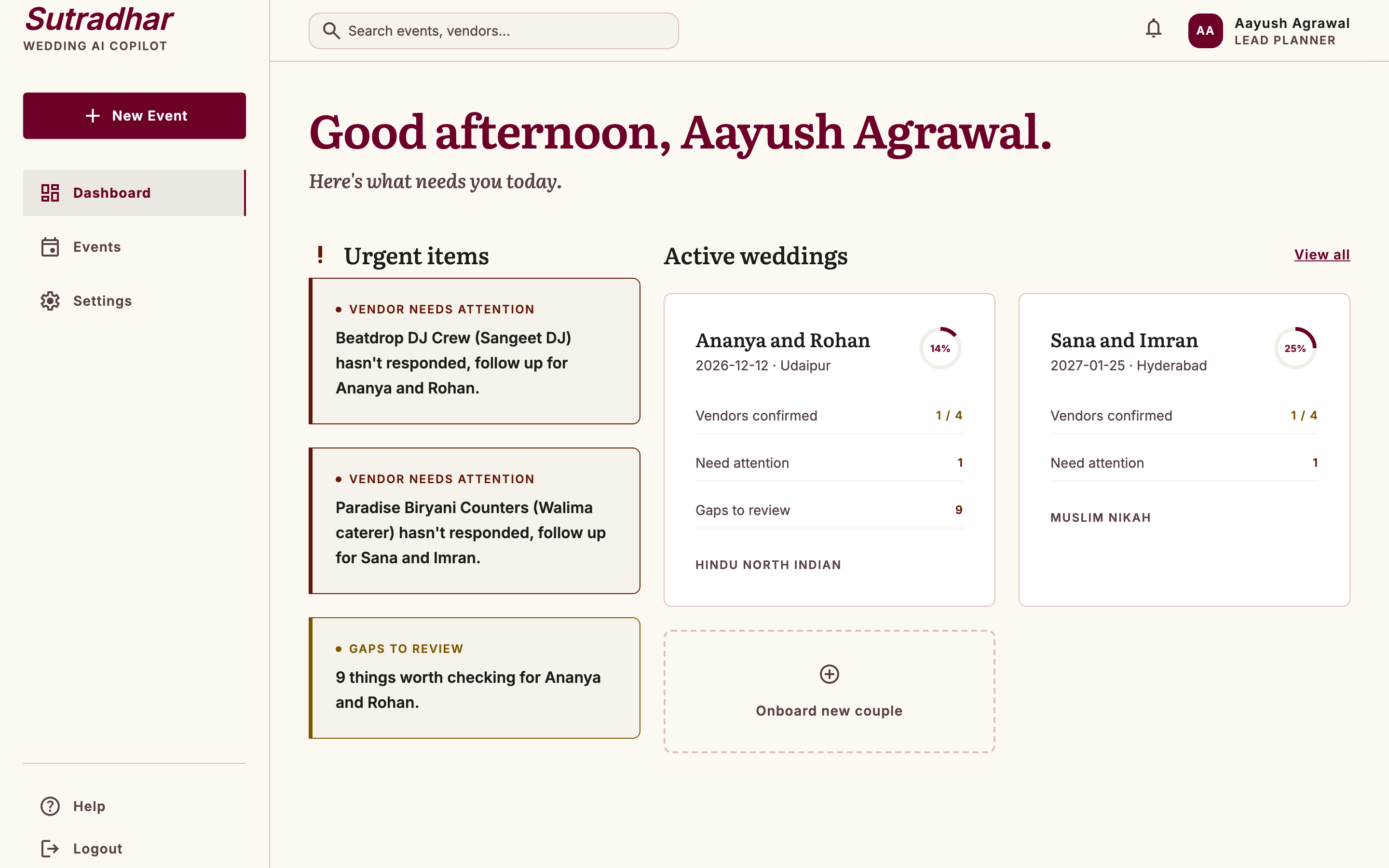
Pricing, positioning, cold-start, knowing when to kill something — the parts of product you can't learn from a ticket queue. Honest about what's live and what's a concept.
Product teardowns
How I think when nobody asked.
Self-directed analyses — RCAs, design exercises, unit-economics teardowns. The point isn't the answer; it's refusing the question as handed over.
Writing
Thinking out loud.
Essays on building AI products, the engineer-to-PM path, and reading a system like it's trying to tell you something.
- ↗SubstackMay 2025 · 7 min
The 20% of an AI product that isn't the model
Everyone ships the demo. Almost nobody ships the eval loop, the trust UX, and the confidence floor — which is where AI products actually live or die.
- ↗MediumApr 2025 · 5 min
Why I sold the service before I wrote the code
Joy Events was the cheapest user research I ever ran. A short argument for doing the job by hand before you automate it.
- ↗HashnodeMar 2025 · 8 min
Reading a metric drop like an engineer reads a stack trace
Most 'urgent' metric drops are instrumentation, not behavior. A field guide to disproving the number before you redesign the product.
- ↗MediumFeb 2025 · 6 min
The PM skill engineers already have and don't know it
Debugging is root-cause analysis. Code review is prioritization under constraint. The transition is shorter than it looks from either side.
- ↗HashnodeJan 2025 · 5 min
n8n as a product prototyping tool, not just automation
How I test a product idea by Friday: wire the workflow first, decide if anyone wants the outcome, then talk about building the real thing.
About
The engine room is the differentiator.
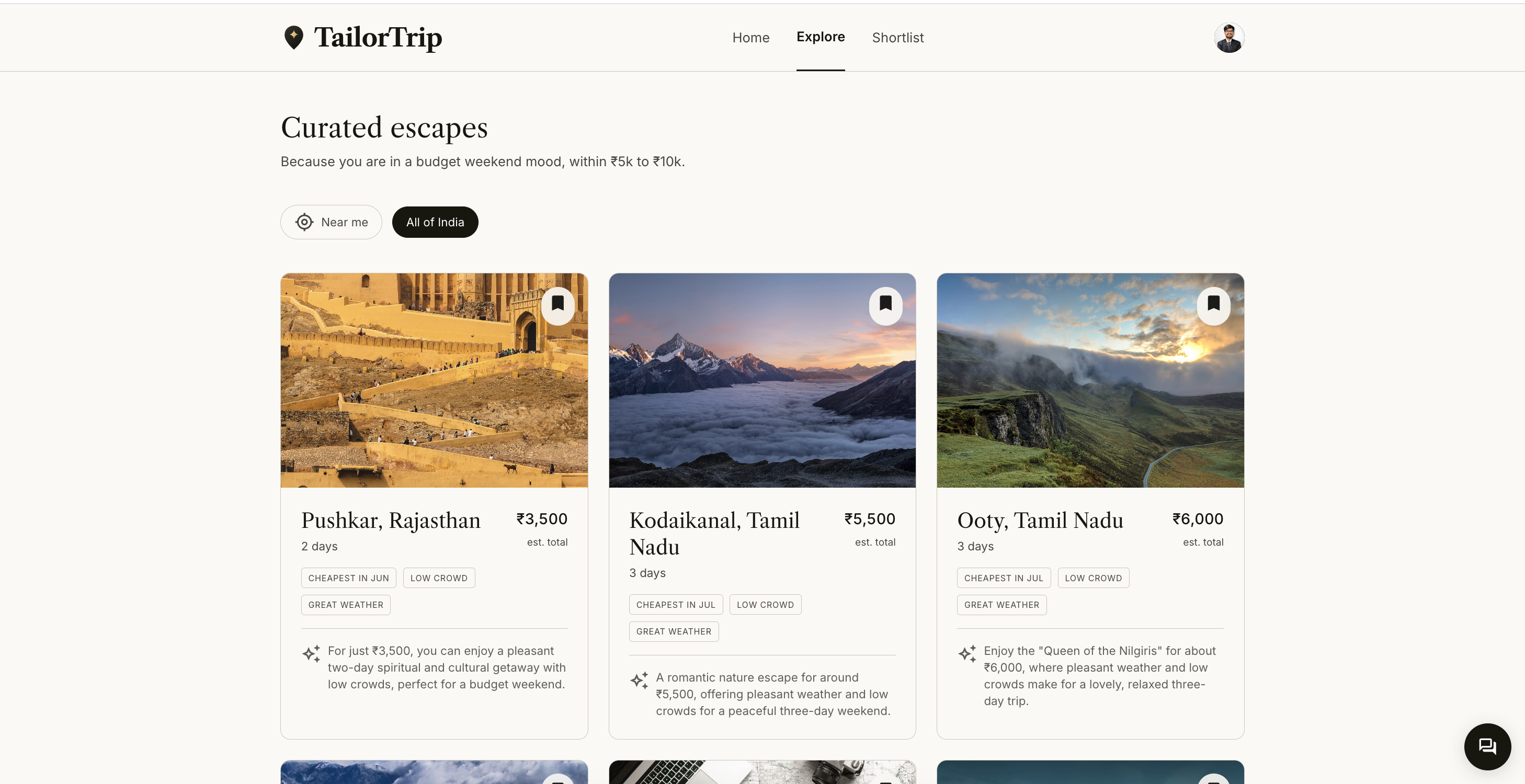
I'm Aayush — a product manager who came up through the codebase. For three years at Subex I was a Senior Product Developer on telecom B2B systems, the kind of enterprise software where a missed edge case shows up on someone's revenue report at 2am. That's where I learned the lesson the site is built around: good engineering fails quietly without product thinking, and good product thinking is hollow without someone who understands what the system can actually bear.
Somewhere in there I stopped wanting to be the person who built the spec perfectly and started wanting to be the person who decided what the spec should be. So I co-founded Joy Events Planning, went through Google for Startups, and started shipping my own 0→1 products — Noor, PlanMyVows, SMBMate — to learn the parts of product you can't learn from a ticket queue: pricing, positioning, the cold-start problem, knowing when to kill something.
Today I work as a product manager who can still open the hood. I write SQL to answer my own questions, prototype with React and Python before asking for engineering time, and wire up AI workflows in n8n to test an idea by Friday. The engineering background isn't where I'm coming from. It's the part of the job most PMs are missing.
Let's build something.
Hiring for AI or 0→1 product? The engine room is open. I reply to every thoughtful note.